
































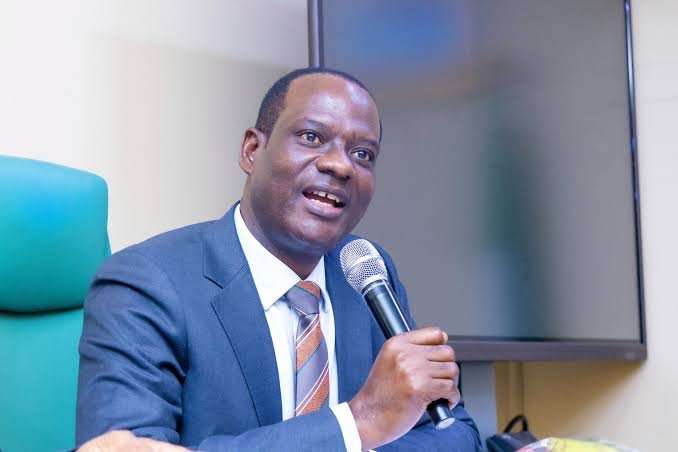
Nigeria’s Finance Minister, Taiwo Oyedele, has warned that restoring petrol subsidies could push the naira to ₦4,000 against the dollar, triggering fresh criticism of the Tinubu administration’s economic policies and its handling of the hardship facing millions of Nigerians.
According to a report by PUNCH, Oyedele argued that bringing back fuel subsidies could weaken investor confidence, trigger capital flight and place additional pressure on the naira.
However, the warning raises a fundamental question: If removing fuel subsidies was supposed to improve Nigeria’s economy, why are millions of Nigerians still struggling to afford food, transportation and basic necessities more than three years later?
Since President Bola Ahmed Tinubu announced the removal of the subsidy in May 2023, petrol prices and transportation costs have risen sharply, contributing to the financial pressure on households and businesses. Yet, ordinary Nigerians continue to demand tangible evidence that the sacrifices imposed on them are delivering meaningful economic benefits.
Critics have challenged the government’s position, arguing that the possibility of currency depreciation should not automatically rule out reconsidering the policy. They insist that if corruption and poor oversight undermined the previous subsidy system, the government should address those problems through transparent monitoring, strict accountability and effective controls.
Some have dismissed Oyedele’s warning as fearmongering, questioning why officials appear more concerned about the possible reaction of investors than the immediate suffering of citizens.
Although restoring subsidies could increase government spending and put pressure on foreign exchange reserves, the prediction that the naira could reach ₦4,000 to the dollar is a warning about a possible outcome, not a certainty. Its actual impact would depend on how the policy was funded and implemented, alongside other economic conditions.
The government must therefore explain why Nigerians should continue bearing the enormous cost of subsidy removal without clearer evidence of improved living standards, better public services and stronger purchasing power.
If the previous subsidy system was corrupted, the answer should include measures to tackle corruption rather than treating every proposal for relief as an economic threat. Any alternative must be properly funded, transparent and designed to prevent the abuse that undermined previous arrangements.
Nigerians deserve more than warnings about how much worse things could become. They deserve answers about what has improved, where the savings have gone and when the benefits of these painful reforms will reach ordinary citizens.