


































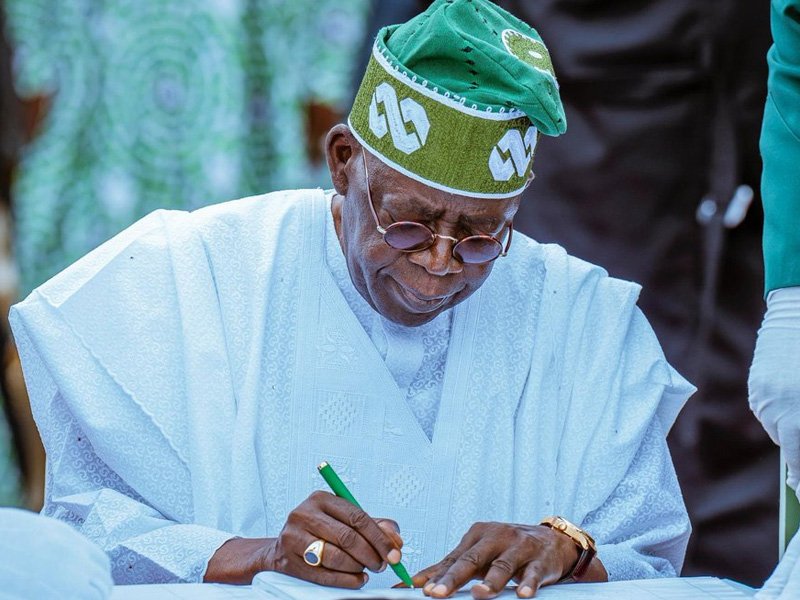
President Bola Ahmed Tinubu has asked the National Assembly to approve $20.5 billion and €1.4 billion in external loans under a proposed 2026–2027 borrowing plan, prompting criticism over Nigeria’s growing debt obligations, spending priorities and the lack of visible improvements in the lives of many citizens.
The requests were presented as the National Assembly resumed plenary on Tuesday, with Senate President Godswill Akpabio announcing the President’s submissions.
According to the administration, the proposed loans will finance development projects in power, transportation, agriculture, healthcare, education, water supply and security. Tinubu said the projects were selected following technical and economic assessments and are expected to create jobs, reduce poverty and strengthen food security.
However, the proposed borrowing has triggered questions about whether additional loans will deliver meaningful development amid persistent economic hardship.
Some critics have taken to social media to question the government’s borrowing priorities, arguing that Nigerians are yet to see sufficient improvements in living conditions despite major economic policy changes.
One critic wrote: “Oni gbese! Subsidy gone and you are collecting loan like it’s nothing? We really need Peter Obi. Can’t wait!”
Another commenter accused the government of borrowing excessively while questioning whether public resources were being used appropriately.
The criticism centres on a broader concern: Nigerians want to know how the government intends to translate additional borrowing into reliable electricity, affordable food, better healthcare, improved security and more employment opportunities.
Alongside the borrowing requests, Tinubu has submitted a bill seeking to facilitate the transfer of convicted offenders between Nigeria and other countries.
The proposed legislation is separate from the external loan plan and would establish a legal framework for international prisoner transfers, subject to the bill’s provisions and applicable safeguards.
Further details about the proposed law, including the countries covered, eligibility requirements and procedures for transferring convicted offenders, would help clarify its scope and implications.
The National Assembly now faces the responsibility of examining the proposed loans, including their terms, repayment obligations, intended projects and expected economic returns.
Lawmakers should seek clear information on how the funds will be spent, the timelines for project delivery and the mechanisms for preventing waste and abandoned projects.
While the administration says the loans will address critical development needs, Nigerians will expect evidence that the borrowing produces measurable benefits rather than leaving future generations with greater debt obligations.
The central question remains: as Nigeria prepares to take on more external debt, what concrete improvements will ordinary citizens see in return?