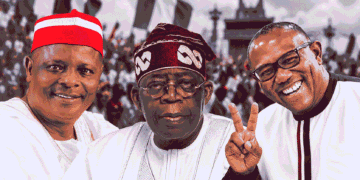













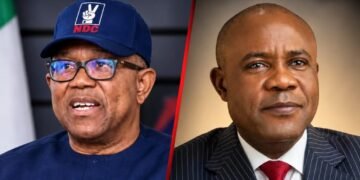















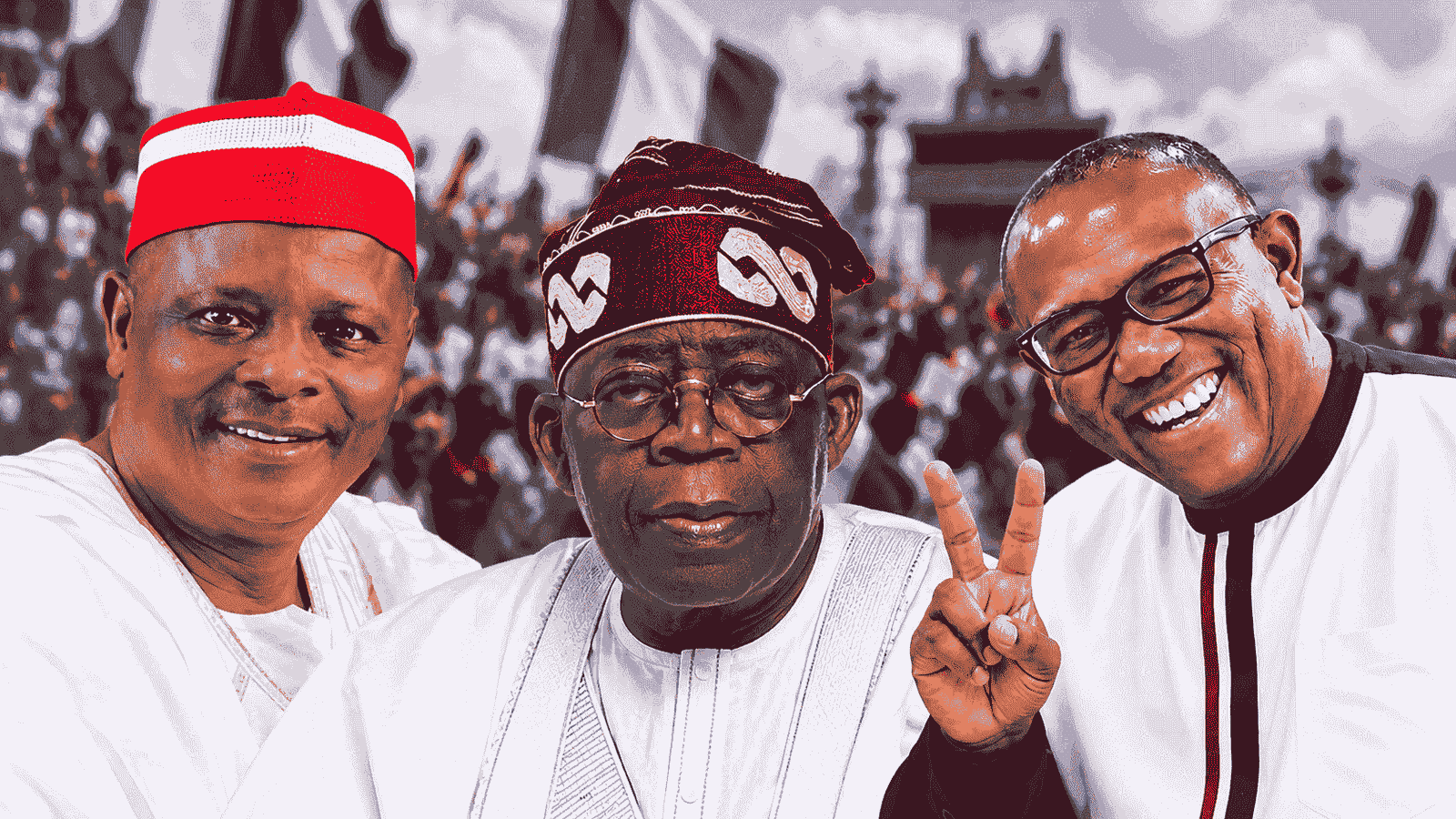
Viral claims have linked Nigeria’s confirmed Ebola case in Abuja to the October 24 NDC mega rally, alleging that the APC-led Tinubu government is using the outbreak to sabotage the opposition event amid fears of a Peter Obi–Rabiu Kwankwaso ticket ahead of the 2027 elections.
A political controversy has erupted following Nigeria’s confirmation of an Ebola case in Abuja, with allegations circulating on social media that the announcement is part of an All Progressives Congress (APC) propaganda strategy aimed at disrupting the New Democratic Congress (NDC) mega rally scheduled for October 24.
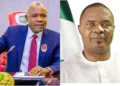
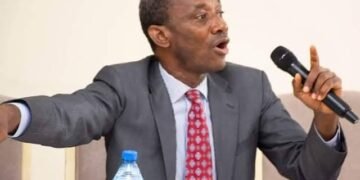
A video shared by social media account @Officialgana_ alleges that the timing of the Ebola announcement is politically motivated, suggesting that the Tinubu administration is concerned about the growing momentum behind a proposed Peter Obi–Rabiu Kwankwaso opposition ticket ahead of the 2027 general election.
The allegation has intensified debate as opposition supporters prepare for the planned rally, which is expected to form part of the NDC’s political mobilisation ahead of the next presidential election.
The controversy has taken another turn following an official statement from Uganda’s Ministry of Health, which challenged assumptions about the origin of the infection and called on Nigerian authorities to provide detailed information about the patient’s travel history and clinical records.
Uganda Challenges Nigeria’s Ebola Account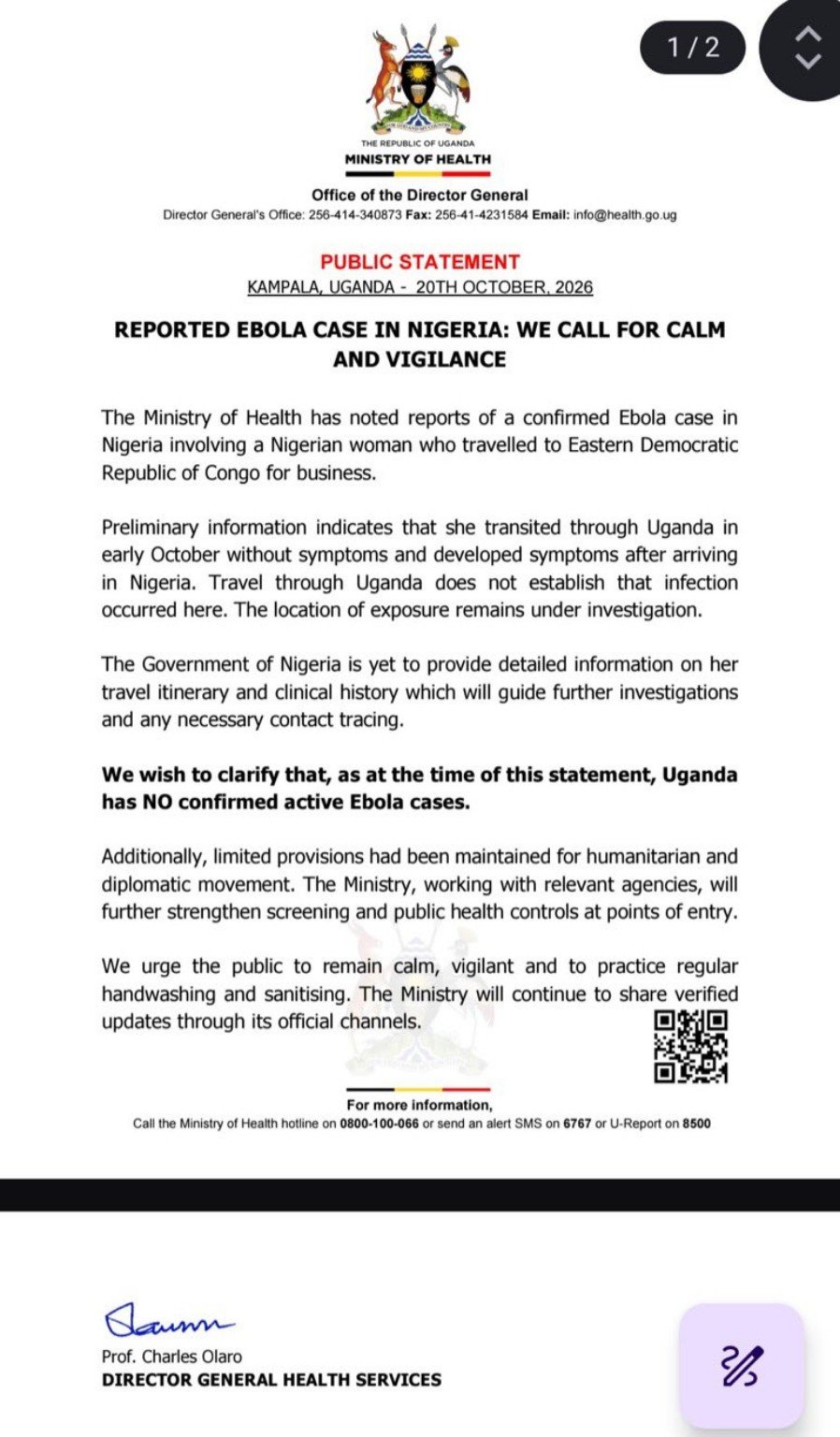
In a public statement dated October 20, 2026, Uganda’s Ministry of Health said preliminary information indicated that the Nigerian woman travelled to eastern Democratic Republic of the Congo (DRC) for business before transiting through Uganda in early October without displaying symptoms.
According to the statement, she developed symptoms after arriving in Nigeria.
“Travel through Uganda does not establish that infection occurred here,” the ministry declared, adding that the location of exposure remained under investigation.
The Ugandan government also stated that Nigeria had yet to provide detailed information about the woman’s travel itinerary and clinical history to guide further investigations and any necessary contact tracing.
Uganda further clarified that it had no confirmed active Ebola cases at the time of the statement.
The declaration has placed renewed attention on the information exchanged between Nigerian and Ugandan authorities and the need for a transparent account of the patient’s movements.
Ebola Case Confirmed in Abuja
Nigeria confirmed a case of Bundibugyo Ebola virus disease in Abuja on October 20, 2026.
According to the World Health Organization, the patient’s symptoms began on October 7, she sought treatment at a private health facility on October 11, and laboratory testing confirmed the infection on October 20.
Nigerian authorities reported that the patient had been isolated and was receiving medical care. They also identified 44 contacts for monitoring as part of efforts to prevent further transmission.
Investigations were continuing to establish the likely source of infection and reconstruct the patient’s travel and exposure history.
The confirmation has raised concerns about public-health preparedness and the speed at which relevant information is being communicated to the public and neighbouring countries.
Why the NDC Rally Has Become Part of the Controversy
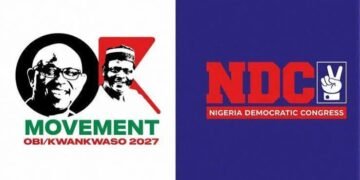
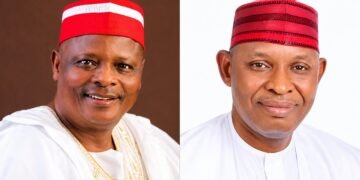
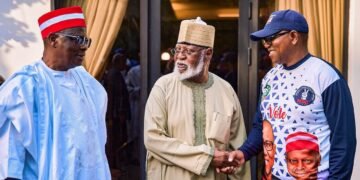
The NDC has emerged as an opposition platform associated with Peter Obi and Rabiu Kwankwaso, whose proposed presidential and running-mate pairing has attracted political attention ahead of 2027.
The October 24 mega rally is expected to serve as a significant mobilisation event for the party and its supporters.
The allegation circulating online suggests that the Ebola announcement could divert public attention from the rally, create anxiety among prospective attendees or complicate opposition mobilisation.
Supporters raising these concerns have linked the timing of the public-health announcement to the increasingly competitive political atmosphere surrounding the 2027 elections.
The development has prompted questions about the relationship between government communication, public confidence and political activities in the country.
Tinubu Government Under Pressure to Provide Answers
The Federal Government now faces calls to clarify the patient’s travel history, explain the basis of its initial account and provide updates on the epidemiological investigation.
Uganda’s request for detailed travel and clinical information has added urgency to the need for clear communication between the two governments.
The Ministry of Health must also continue providing timely information on contact tracing, infection-control measures and the steps being taken to protect healthcare workers and the public.
The controversy has become another test of public confidence in government communication at a time when Nigerians are closely watching developments surrounding both the Ebola case and the opposition’s preparations for 2027.
Public Health and Political Accountability
With the NDC rally scheduled for October 24, the coming days will be crucial for both the public-health response and the political debate surrounding the announcement.
Uganda’s statement has made clear that a traveller’s passage through its territory does not establish that the infection originated there. The investigation into the source of the infection remains important to determining the full circumstances surrounding the case.
For the Tinubu administration, the demand for transparency extends beyond issuing assurances. Nigerians need a clear timeline of events, consistent communication with international health authorities and regular updates supported by verified findings.
As political tensions rise ahead of 2027, the Ebola controversy has placed government credibility, opposition mobilisation and public-health communication at the centre of national debate.
Frontline Chronicle will continue to follow developments surrounding Uganda’s statement, Nigeria’s Ebola investigation and preparations for the NDC mega rally on October 24.
Sources: Uganda Ministry of Health statement dated October 20, 2026; World Health Organization; Nigeria’s Federal Ministry of Health and Social Welfare; social media post attributed to @Officialgana_.