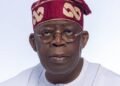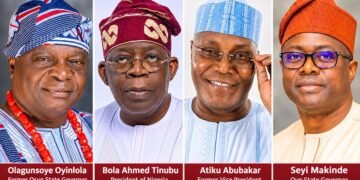



























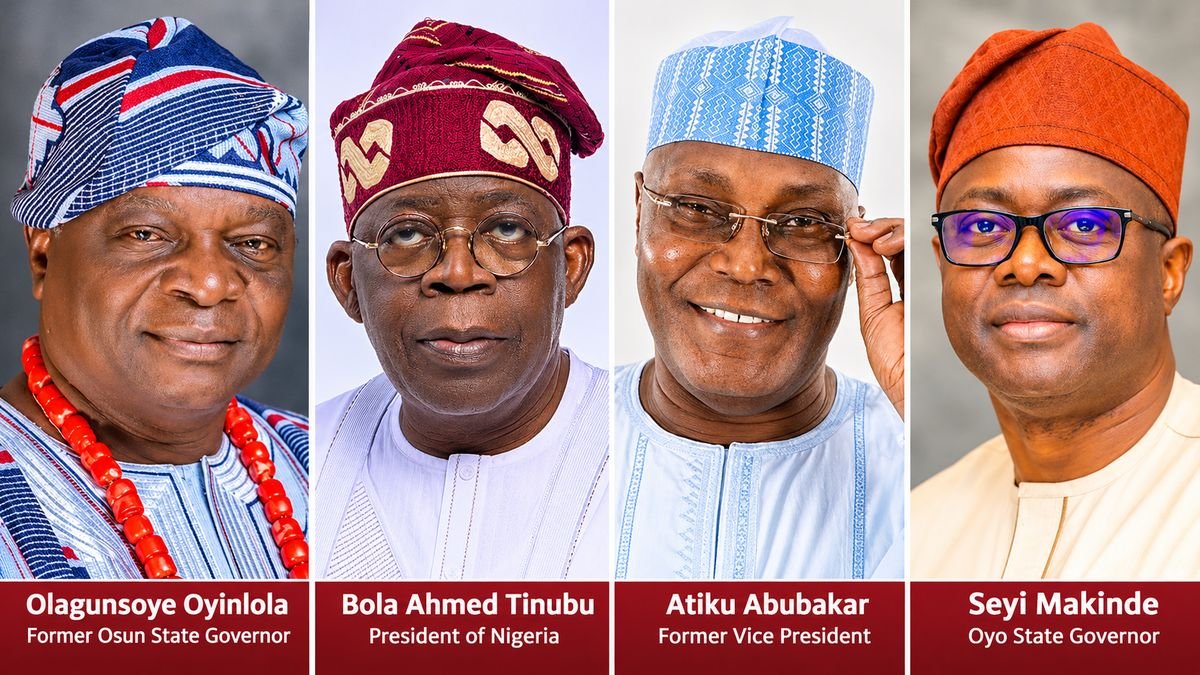
Former Osun State Governor and Peoples Democratic Party (PDP) chieftain, Prince Olagunsoye Oyinlola, has called on President Bola Ahmed Tinubu and former Vice President Atiku Abubakar to retire from active politics and allow younger Nigerians to take charge of the country’s leadership ahead of the 2027 general elections.
Oyinlola argued that Nigeria needs a younger generation of leaders capable of meeting the expectations of citizens and addressing the country’s governance challenges.
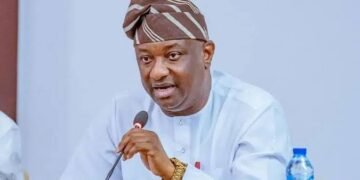
He made the remarks during an appearance on Channels Television’s Politics Today, where he was questioned about his position on the presidential ambitions of Tinubu and Atiku.
The former governor also reiterated his long-standing position on age and political leadership, recalling that he had previously advocated that Nigerians above 50 should not aspire to become state governors.
During the television interview, presenter Seun Okinbaloye asked Oyinlola whether he considered President Bola Ahmed Tinubu and Atiku Abubakar unsuitable for another presidential contest because of their ages.
Responding, Oyinlola maintained that both politicians had reached a stage where they should make way for younger Nigerians.
“They are old,” Oyinlola responded when asked about the suitability of the two political figures for another presidential contest.
When the presenter suggested that they should retire and allow younger politicians, including Oyo State Governor Seyi Makinde and other emerging political figures, to take charge, Oyinlola agreed with the proposition.
He explained that Nigerians had increasingly expressed the desire for younger people to assume leadership positions.
“We have tried the older generation; let’s go for the younger ones,” he declared.
Oyinlola further argued that the country needs a president who can shoulder the responsibilities of governance and meet citizens’ expectations.
“Many Nigerians have been yawning for younger ones to take charge of this country. So, if we are looking for a president that would be able to shoulder and live up to the expectations of Nigerians in terms of governance in Nigeria, definitely we look for a younger man,” he said.
The former governor’s comments reflect a position he said he had previously expressed while serving as governor of Osun State.
According to Oyinlola, his experience in office informed his belief that leadership positions, particularly governorships, should be opened to younger individuals.
He recalled declaring that anyone above 50 years should not aspire to become a state governor.
“When I was in Osun, I made a declaration based on my experience in office that anybody above 50 should not aspire to be governor of a state,” he said.
His remarks have renewed discussions about age, leadership capacity, political experience and generational representation in Nigeria.
Although the Nigerian Constitution establishes minimum age requirements for presidential candidates, it does not impose a maximum age limit. Consequently, the question of whether older politicians should seek another term remains a political and public debate rather than a constitutional restriction.
Oyinlola’s latest position also comes amid a significant shift in his political alignment ahead of the 2027 elections.
The PDP chieftain had previously been among political stakeholders in Osun State who endorsed President Bola Ahmed Tinubu for a second term in July 2025.
However, during the same Channels Television interview, he disclosed that his earlier endorsement had expired.
Explaining the circumstances behind the endorsement, Oyinlola said it was influenced by political developments in Osun State, particularly disagreements surrounding local government administration and the expectation that the Presidency would intervene.
He subsequently expressed disappointment that the arrangement did not produce the expected results.
Asked whether he still supported Tinubu’s re-election, Oyinlola responded: “It has expired.”
He also disclosed his support for Oyo State Governor Seyi Makinde, who is pursuing the presidency under the platform of the Allied Peoples Movement (APM).
The development signals a change in Oyinlola’s political position as opposition figures and political stakeholders continue to reposition themselves ahead of the 2027 presidential election.
Oyinlola’s comments have brought renewed attention to the question of generational transition in Nigerian politics.
For years, the country’s political leadership has largely featured established political figures with decades of experience in public office.
However, increasing public discussions about youth participation, economic opportunities, unemployment, insecurity and governance have strengthened calls for greater representation of younger Nigerians in leadership.
Supporters of generational change argue that younger leaders should have more opportunities to influence national policies and participate in decision-making.
Others maintain that age alone should not determine leadership suitability, arguing that competence, experience, integrity, policy direction and the ability to deliver results should remain central considerations.
The debate therefore extends beyond the ages of individual presidential aspirants to the broader question of what qualities Nigerians expect from their next president.
Oyinlola’s intervention adds another dimension to the political conversations surrounding the 2027 presidential election.
His withdrawal of support for President Bola Ahmed Tinubu, combined with his endorsement of Makinde’s presidential ambition under the APM, reflects the continuing political realignments among influential figures within Nigeria’s opposition political landscape.
His remarks also place generational representation firmly within the emerging political debate, particularly as parties and presidential aspirants seek to define their messages around leadership, governance and national development.
With political activities gathering momentum, the question of whether Nigerians should continue with established political figures or embrace a younger generation of leaders is likely to remain part of the national conversation.
Ultimately, the decision will rest with Nigerian voters, who will assess the candidates, their records, policies and capacity to address the country’s challenges when they cast their ballots.
Attention will turn to how the political parties respond to Oyinlola’s position and whether his support for Makinde will translate into broader political mobilisation ahead of the elections.
The coming months will also test how prominently the question of generational change features in the campaigns and policy discussions of the major political parties.
For now, Oyinlola has made his position clear: he believes the older generation has had its opportunity and should give younger Nigerians the chance to lead.
Sources
- Channels Television, Politics Today, interview with former Osun State Governor Olagunsoye Oyinlola, November 4, 2026.