









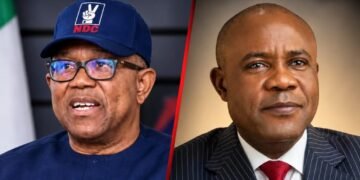













Human rights lawyer and political commentator Dele Farotimi has openly declared his intention to vote for Peter Obi in the 2027 presidential election, while raising concerns about possible electoral manipulation and the need for candidates to defend their votes.
Farotimi made his position known during an appearance on Channels Television’s State of the Nation, where he discussed Nigeria’s political situation, the ruling All Progressives Congress (APC) and the prospects for the 2027 general election under President Bola Ahmed Tinubu.
During the interview, the anchor urged Farotimi to exercise decorum in his choice of words when criticising President Bola Ahmed Tinubu and the APC.
Farotimi challenged the intervention, questioning why his description of the APC as “despicable” had become an issue during the discussion.
The exchange prompted the anchor to move the conversation to another subject, eventually asking Farotimi about his political preference ahead of 2027.
Responding directly, Farotimi declared his support for Peter Gregory Obi, making it clear that he had no intention of hiding his political preference.
He said he would vote for Obi, provided he remained on the ballot and was not subjected to what he described as political manoeuvres aimed at preventing his participation.
However, Farotimi expressed reservations about the credibility of Nigeria’s electoral process, alleging that electoral manipulation had already undermined previous elections.
He argued that the 2027 election would require more than simply casting votes, stressing that political candidates and their supporters must be prepared to defend their votes.
According to him, the responsibility of protecting the electoral mandate should form part of every candidate’s political strategy.
The interview has also generated discussions about journalistic independence and the willingness of Nigerian broadcast journalists to subject political leaders to tough questioning.
An X user, @OurFavOnlineDoc, criticised Nigerian television journalists, describing some as “stupid cowards” for allegedly avoiding difficult questions and exercising excessive caution when discussing those in power.
Some social media reactions attributed this perceived reluctance to fears of sanctions from the National Broadcasting Commission (NBC) and possible government pressure.
The debate comes against the backdrop of growing concerns about press freedom, political accountability and the media’s constitutional responsibility under Sections 22 and 39 of Nigeria’s 1999 Constitution.
As political conversations around the 2027 presidential election gather momentum, Farotimi’s declaration adds another public endorsement to Peter Obi’s political support base while drawing attention to questions about electoral credibility and the role of the media in holding those in power accountable.